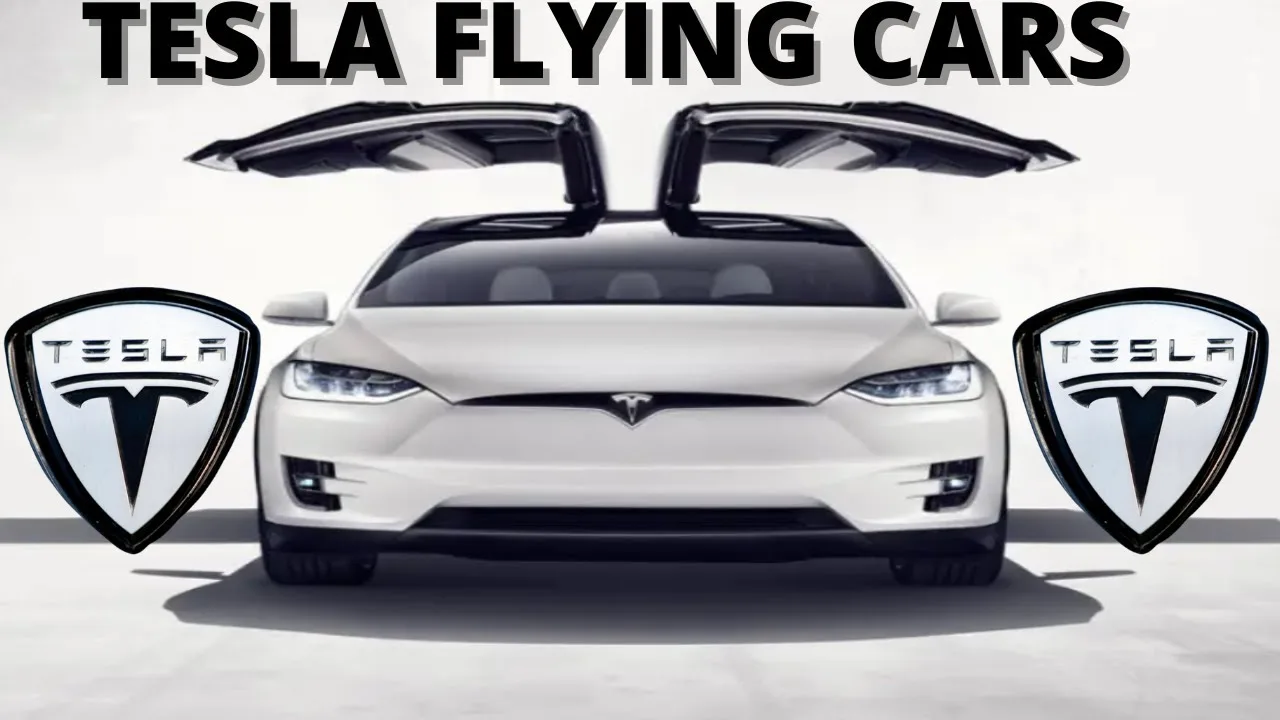
For almost a decade, Elon Musk has been promising a car that can fly. Now Tesla's flying car is back in the headlines, and this time people are paying close attention. But before you start imagining traffic jams in the sky, it helps to separate what is confirmed from what is still hype.
How Did We Get Here?
The story starts in 2017, when Tesla unveiled the second-generation Roadster. Musk claimed it would do 0 to 60 mph in about 1.9 seconds, with a top speed above 250 mph and a range of around 620 miles. He also said an optional SpaceX package would add cold-gas thrusters, which would help the car accelerate faster, brake harder and corner sharper. Later, Musk went further and suggested the Roadster could briefly hover,or even fly short distances, using rocket-style thrusters.
What Is Actually Different This Time?
Tesla has repeatedly said the new Roadster demo would be something people have never seen before, and Musk has hinted that it is the most exciting product demo ever. The flight idea is based on thrusters, not wings or a large rotor system like a helicopter. In simple words, it is closer to a very powerful hop than to a real aircraft taking off from a runway.
Tesla has not yet published full technical specifications, certification details or a firm delivery date for any flight capability. Anyone quoting exact flight range or altitude numbers should be treated with caution.
Why Regulation Is the Biggest Hurdle
Even if the technology works perfectly a flying car needs approval from aviation authorities and road-safety regulators both. In the United States, the FAA has already given a special airworthiness certificate to a different company, Alef Aeronautics, for its flying car prototype in 2023. That shows regulators are open to the idea, but the process is slow, and Tesla would have to go through a similar path.
There are also practical questions. Where will these cars take off and land? Who will be allowed to fly them? What happens to noise, safety and insurance? Their are no easy answers yet.
What This Means for Ordinary Buyers
For most people, a flying Tesla will stay a dream for a long time. The Roadster is expected to be a very expensive, low-volume car, and the flight option, if it ever arrives, will cost even more. Tesla's earlier price for the base Roadster was 200,000 dollars, with a 250,000 dollar founders edition, and the price of any flight package has not been announced.
Still, the announcement matters. It pushes competitors like Xpeng, Alef and others to move faster, and it keeps public attention on electric aviation, which could eventually bring cheaper air taxis to cities.
Frequently Asked Questions
Has Tesla launched a flying car?
Tesla has announced and teased a Roadster with flight-style capabilities, but full specifications, certification and a delivery date have not been officially confirmed. Always check Tesla's official website for the latest updates.
How will the Tesla flying car fly?
According to Musk's statements, it would use cold-gas or rocket-style thrusters, not traditional wings or propellers. Details about the final design may change.
How much will it cost?
There is no official price for a flight package. The Roadster itself was originally priced at 200,000 dollars, with a higher price for the founders edition.
Will it be legal to fly it?
Not right now. It would need approval from aviation and road authorities, and rules differ from country to country.
Can people in Pakistan buy it?
Tesla does not officially sell cars in Pakistan at the moment. Buyers here would need to import through third parties, and flight use would face even bigger legal hurdles.
Note: This article is for information only. Please verify product details on Tesla's official channels before making any decision.
for more details click here.
